Why Do iGaming Start-ups Fail?

Like in every sector, numerous iGaming start-ups fail every year. From the outside, launching an online casino or sportsbook business seems straightforward, particularly given that several white-label operators give companies a market-ready platform.
Yet failures are common, so we wanted to dig a little deeper to learn about the biggest mistakes many people make.
We spoke to IGAMINGHUNT CEO Tanya Shevchuk for insight into what causes iGaming start-ups to fail, and she was happy to share the following revelations.
Underestimating total costs
Budget planning and cost management are central to any start-up, and iGaming firms are no exception. Founders often miscalculate the cost of launching an online casino, and unexpected costs crop up in the initial stages of the launch.
The costs associated with building the platform, assembling a qualified and highly skilled team, player acquisition and retention, legal costs, content, and much more must be considered.
Shevchuk explains: “We had two clients who ran into significant financial trouble because they focused too much on creating attractive designs and new features, neglecting to allocate sufficient funds for marketing and building traffic.
The result? They ended up with a beautifully designed product but almost no users, first- time depositors, or revenue. To keep the project afloat, they had to sell 50% of their stake to external investors to secure the necessary funds.”
Undervaluing the importance of qualified team members
Some new online gambling firms attempt to cut costs by hiring inexperienced staff who don’t have a track record of delivering at the required levels. The results are usually dire when start-ups put their faith in junior staff to perform senior roles.
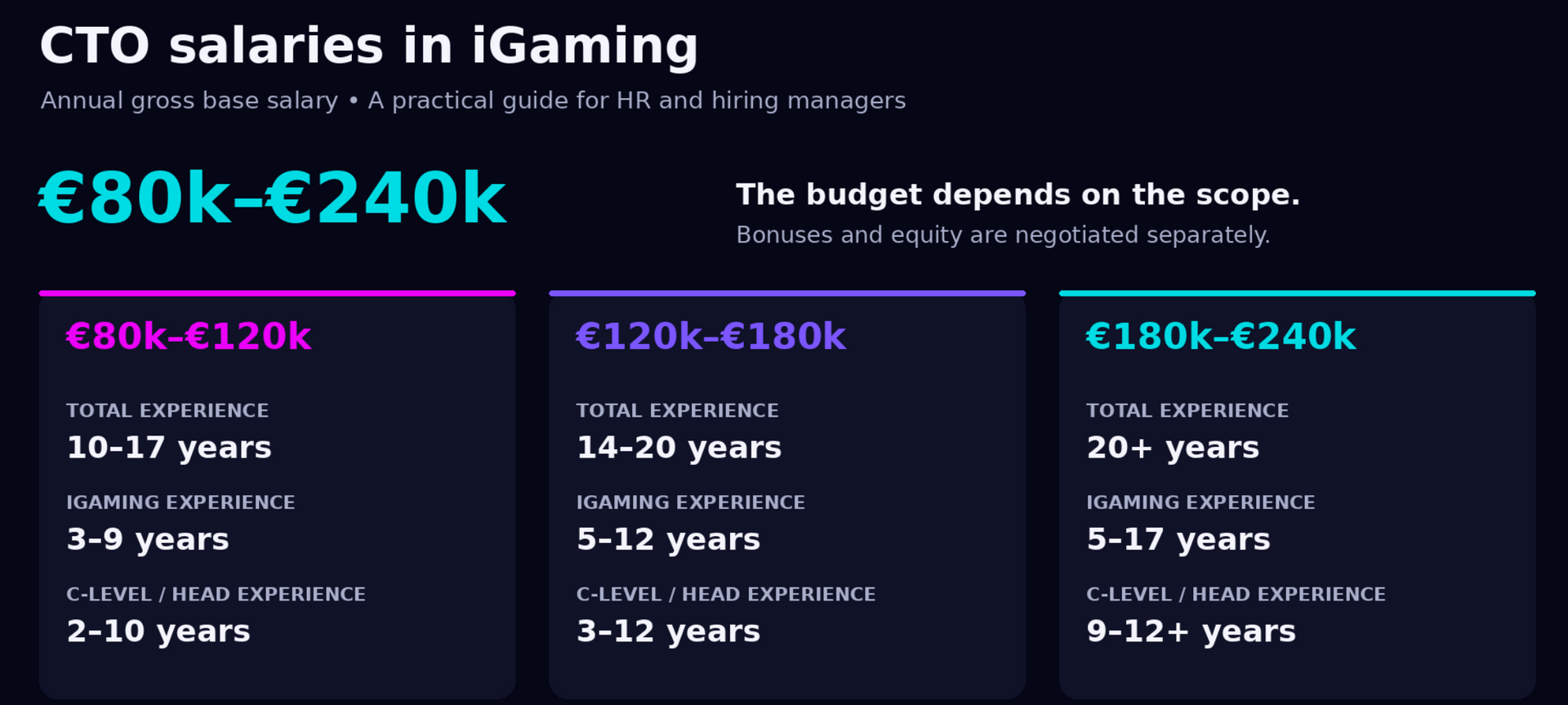
While it can seem daunting to allocate a significant proportion of your initial budget to staff costs, undervaluing the importance of qualified team members is a mistake many iGaming start-ups don’t recover from.
Though the initial cost of recruiting junior, inexperienced staff is lower, the long-term costs can be up to three times as high, given that you will spend a lot of time and money trying to fix mistakes that could have been avoided in the first place.
The resources required to train, educate, and eventually replace your junior employees are another thing you should think about if you’re considering cutting corners at the start of your journey.
As Shevchuk says from experience: “In the long run, it’s more cost-effective to hire professionals at market rates to ensure high-quality results.”
This issue especially applies to the iGaming sector, which requires extensive specialist knowledge across product, marketing, and regulatory functions.
Pursuing perfection
Another mistake many start-ups make is aiming for perfection right out of the gate rather than testing, reviewing, and evolving their operating model. The most successful firms embrace lean start-up methods and tactics, acknowledging that a company’s first iteration will likely be far from perfect.
Rather than spending years and tens of thousands of dollars preparing a product for launch, it’s much better to get a “lite” product off the ground and into the market, which you can test and refine as you receive customer feedback.
You can also use revenue generated from the site while it’s live to invest in further improvements, which will drive your iGaming start-up forward in the long run. Shevchuk warns: “Perfection is irrelevant if no one is using your product and it’s generating zero revenue.”
Spreading too thin
Also common within the sector is that companies spread themselves too thin. Undoubtedly, there are many potential strings to an online gambling site’s bow, including an RNG casino, live casino, sportsbook, affiliate program, and numerous other income-generating opportunities.
While creating numerous revenue streams is a positive step for established companies, focusing on too many options from the start spreads new iGaming firms too thin, causing them to fail with their core offering.
As Shevchuk points out: “We’ve seen this first-hand with three clients who learned this lesson the hard way and eventually decided to focus on making one product successful before expanding.”
The idea of concept dilution is worth considering here. Rather than diluting your initial offering with several ideas to grow your business quickly, focus on what makes your concept unique and valuable. Growing your company’s concept and cementing your place within the sector is crucial as a starting point, and you can always add more revenue streams as your company grows.
Lack of industry knowledge
From the outside looking in, opening an online casino seems straightforward. Many investors outside of the igaming industry often think they can throw a relatively small amount of money, perhaps $50,000, at a white-label casino and sit back to watch the profits roll in. The reality is that this lack of industry knowledge causes so many online casino start- ups to fail.
Without sufficient knowledge of the sector's complexities, regulations, rules, and requirements, it’s extremely difficult for a casino or sportsbook to rise to the top of the pile. Shevchuk expands on this point: “Without a deep understanding of the industry, its rules, competitors, and trends, and without proper planning, they risk throwing their money away.
In truth, you need much more than $50K to make it in the iGaming world.”
Conclusion
The iGaming sector is undeniably an attractive segment of the gambling market to get into, with many countries and states adopting favourable laws and regulations to support the establishment of online casinos and sportsbooks.
But as Tanya Shevchuk warns, if you want your website to be successful, you must avoid the all-too-common pitfalls that many start-ups fall into.
For more tips on how to get started in the world of iGaming and for support with recruitment and talent acquisition, contact IGAMINGHUNT today.